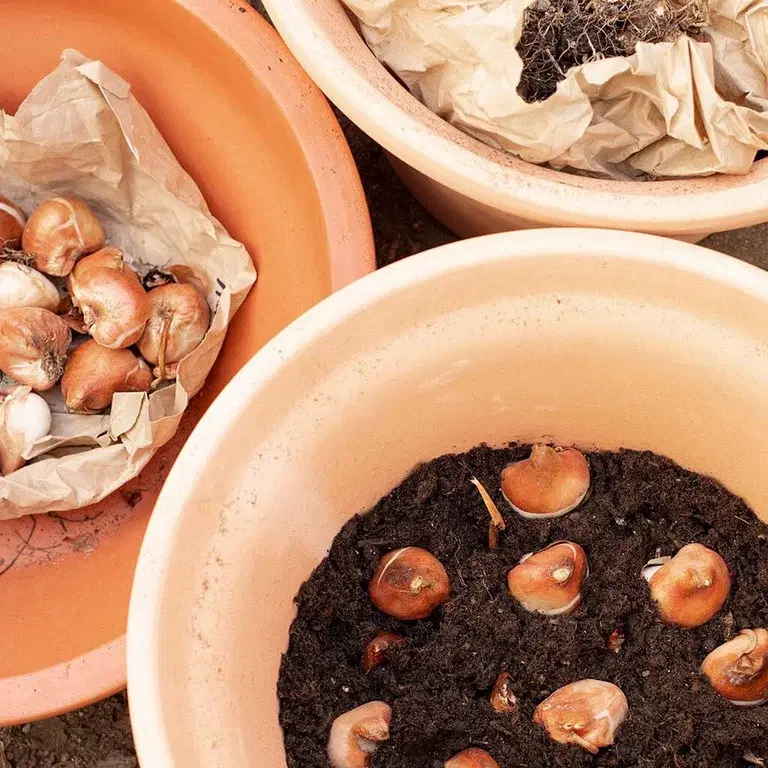
Spring bulbs and autumn bulbus - what is the difference
Tulips, hyacinths, alliums, gladioli, lilies, and snowflakes. The bulb plants are many and beautiful. But what is the difference between spring bulbs and fall bulbs? And how and when should they be planted? Let's dive into the world of flower bulbs.
Spring-flowering bulbs
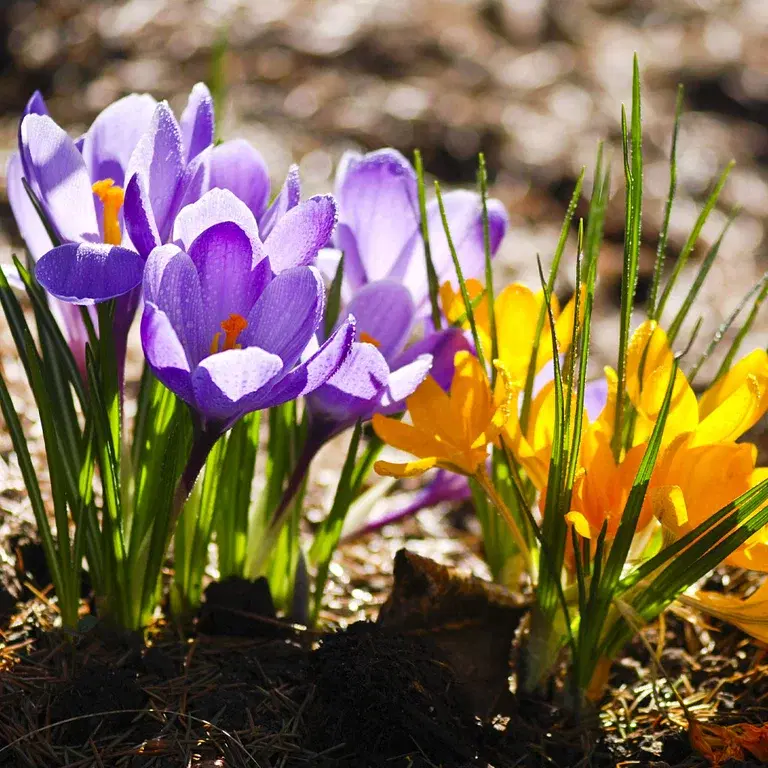
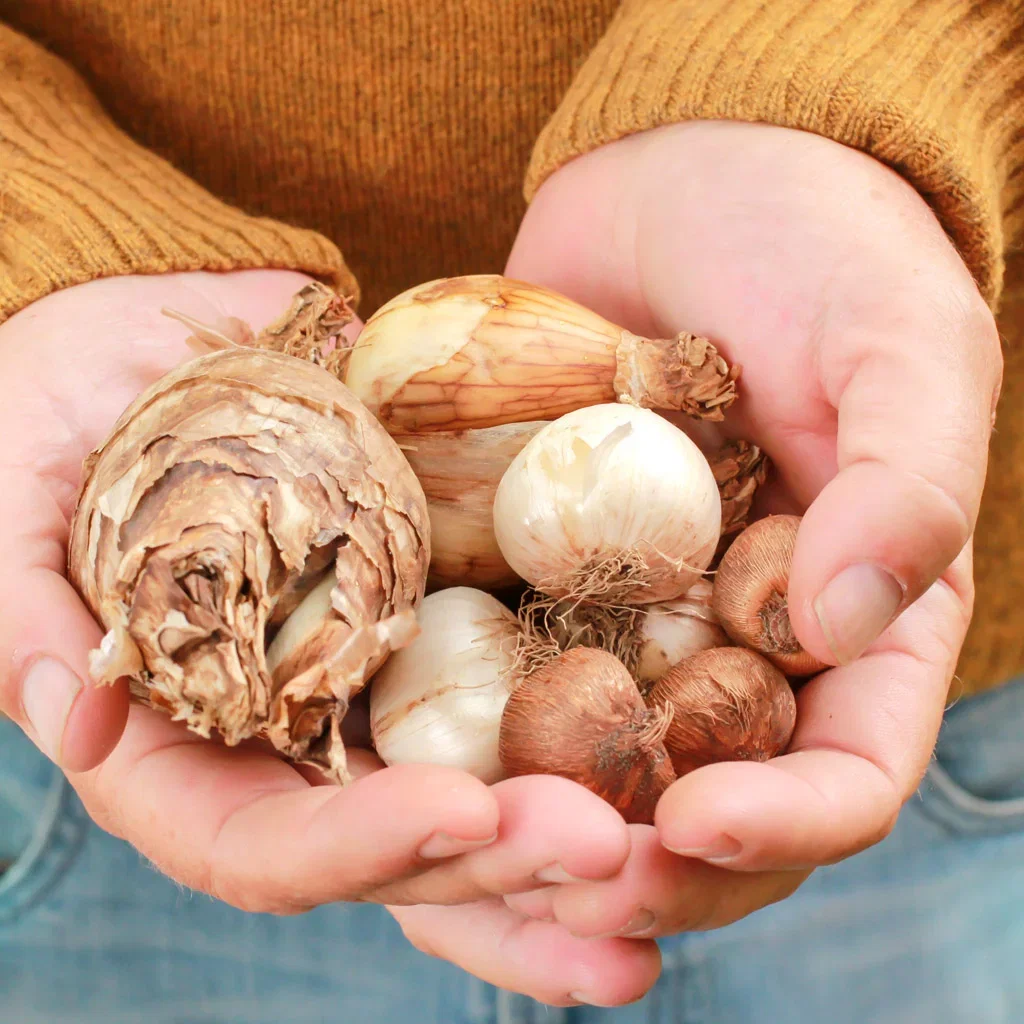
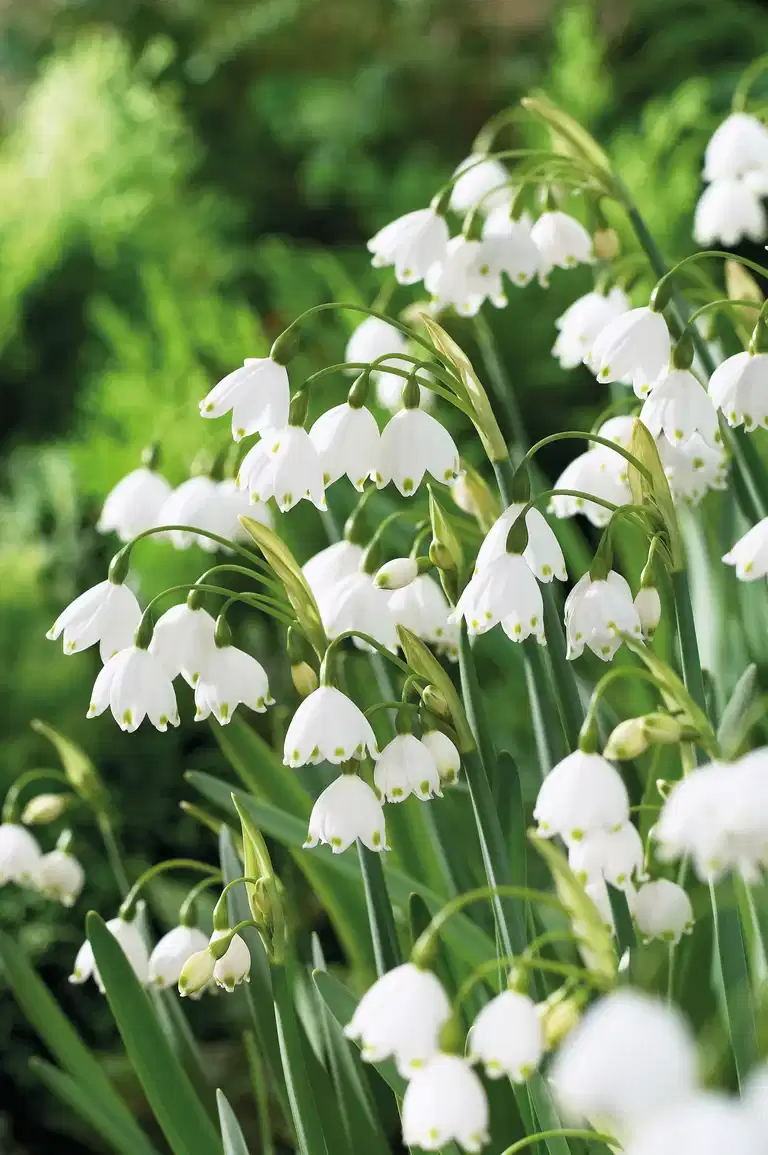
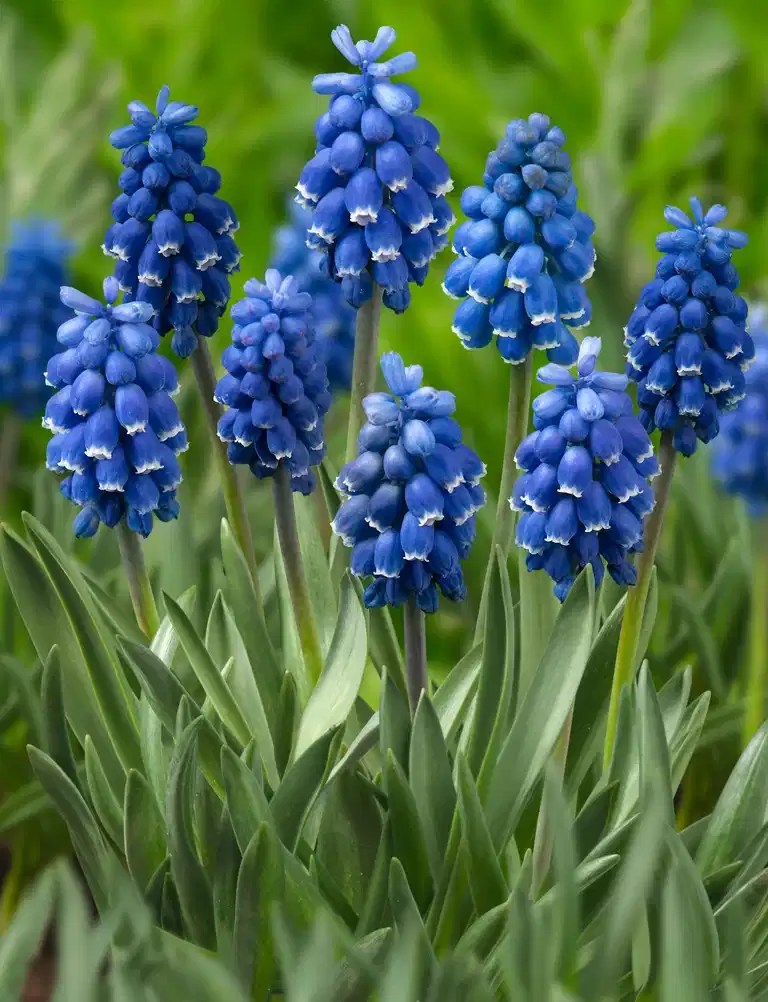
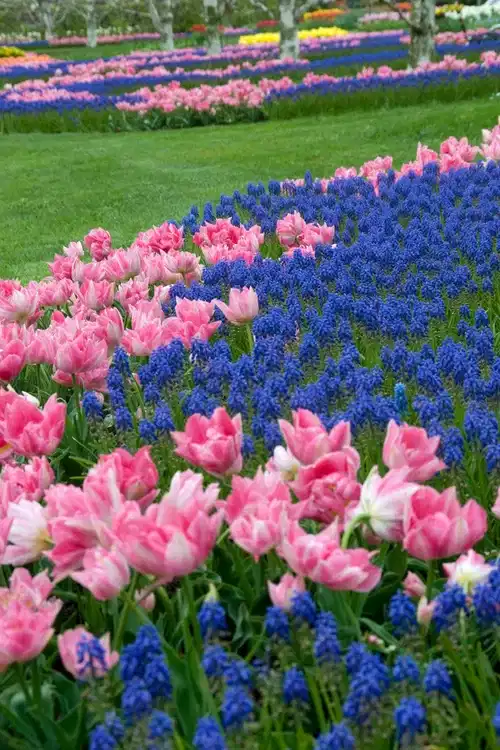
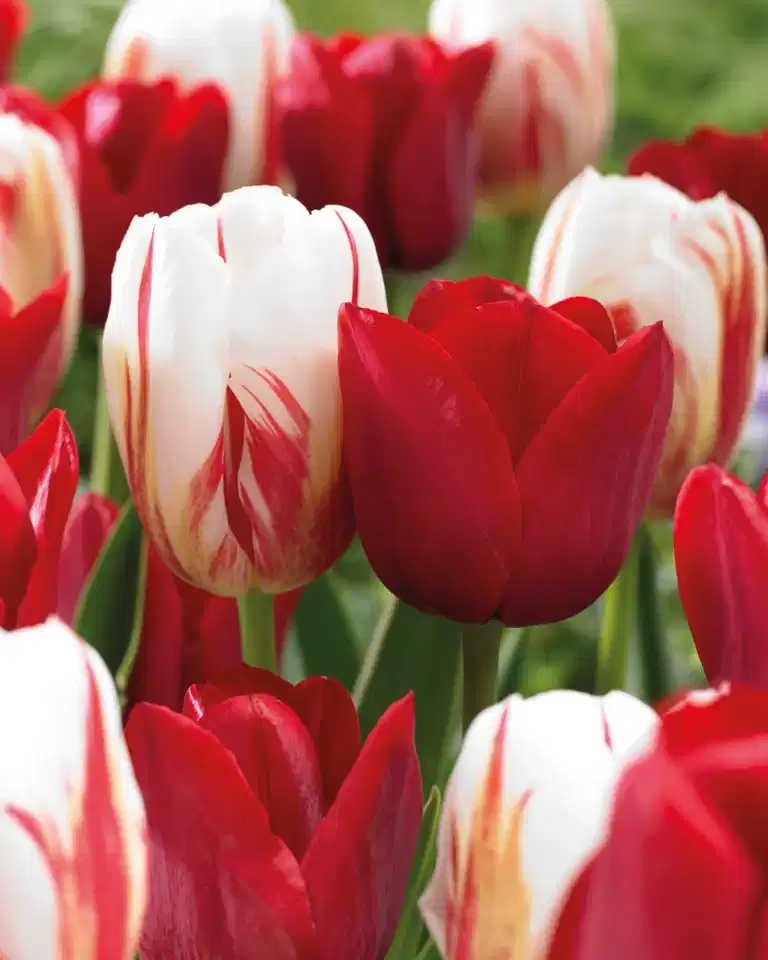
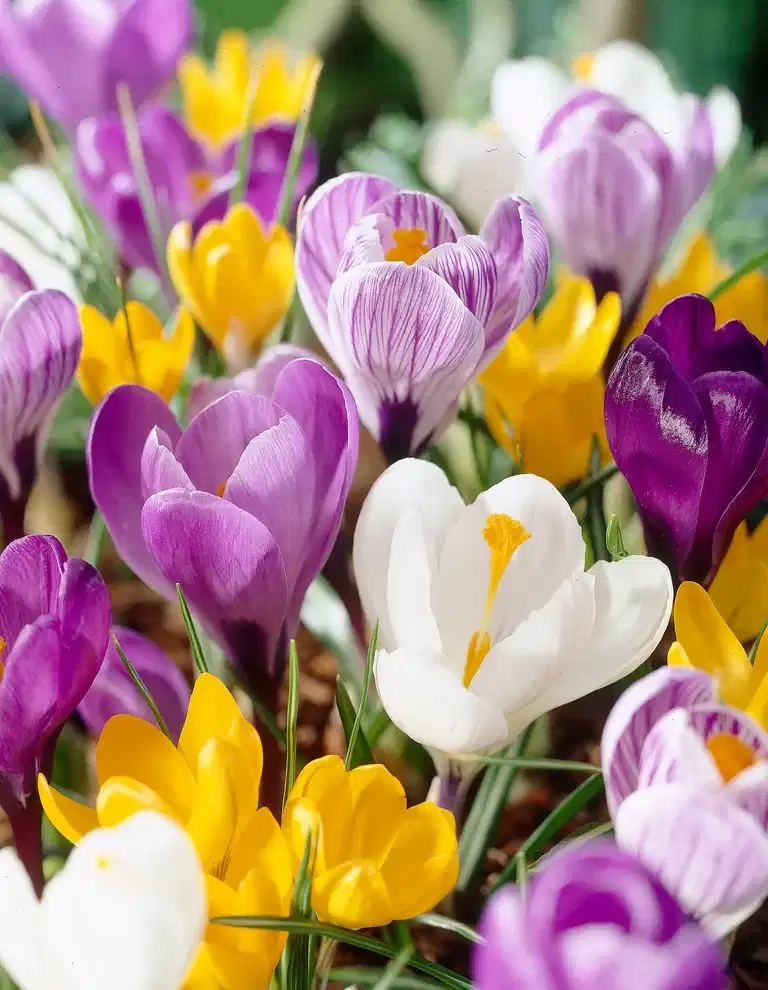
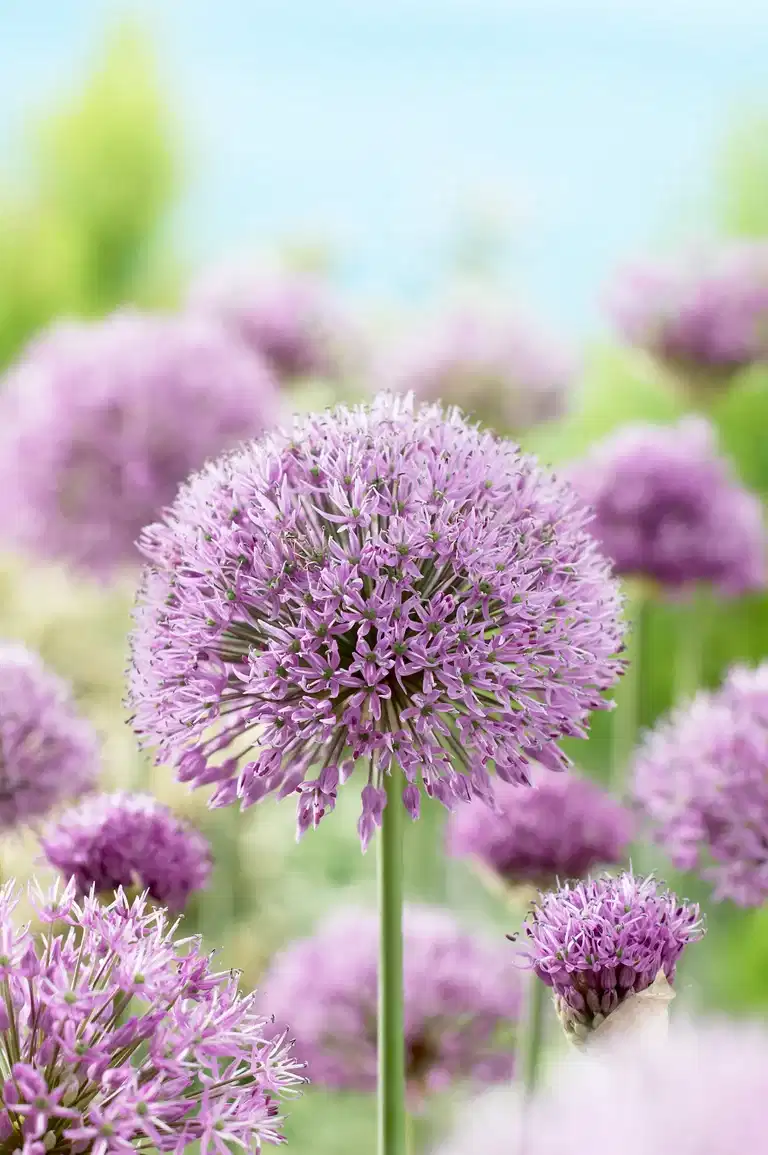
Spring-flowering bulbs are called fall bulbs, meaning we plant them in the ground in the fall. Examples of fall bulbs include tulips, daffodils, pansies, snowdrops, crocuses, anemones, hyacinths, snowdrops and alliums, but also more unusual fall bulbs such as the bluebell. Many of these bulbs bloom very early in the season, before other plants, and are thus a welcome sign of spring after a long and barren winter.
The selection of flower bulbs is enormous. Every year new varieties emerge, especially tulips - they come in almost every color and shape today. Autumn bulbs peeking up in late winter not only make us happy, they are eagerly awaited by pollinating insects waking up hungry after winter hibernation. There is not much else blooming at this time of year. The same can be said for spring bulbs that bloom late in the fall and replace the withered summer flowers. To have a long-lasting blooming, you should choose different flower bulbs that bloom at different times. Snowdrops are usually the first to appear, they can bloom as early as February, and after that come crocuses, snowflakes, tulips, and fantastic allium.
Fall-flowering bulbs
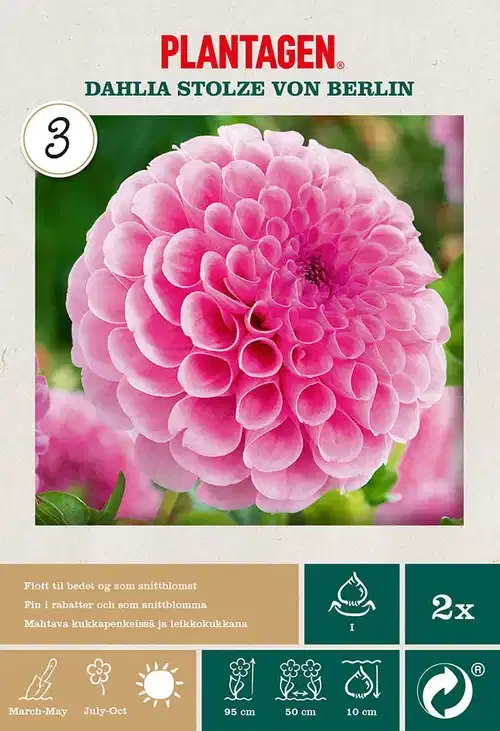
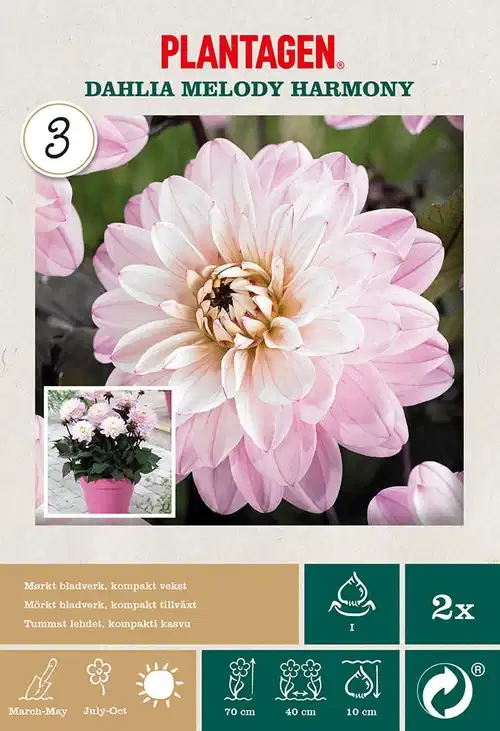
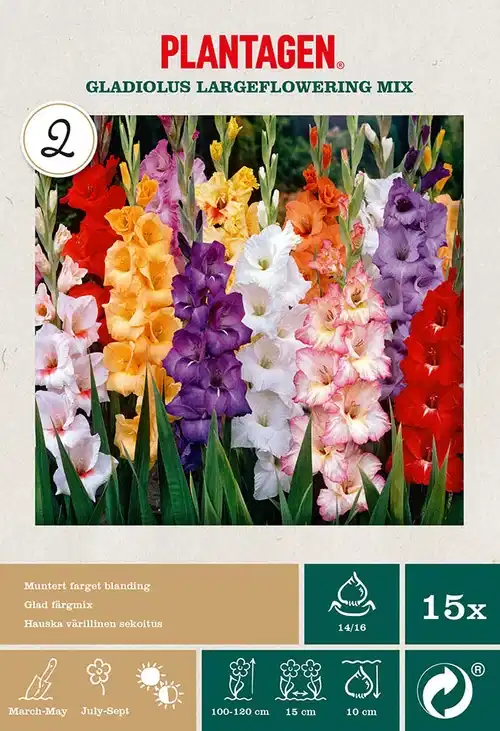
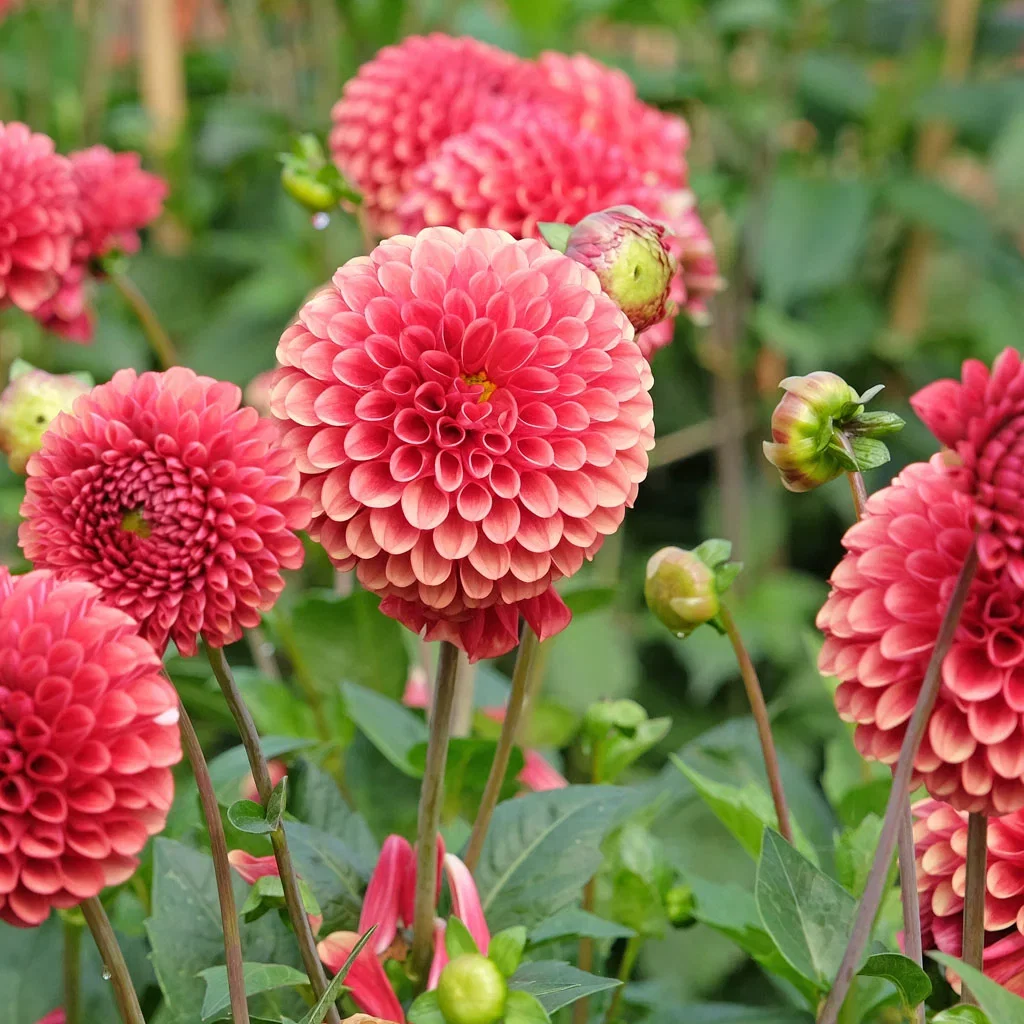
Fall-flowering bulbs are instead called spring bulbs, simply because the bulbs are planted in the spring. Examples of spring bulbs include cyclamen, autumn crocus, gladioli, and dahlias – several of which bloom when much else in the garden begins to wilt.
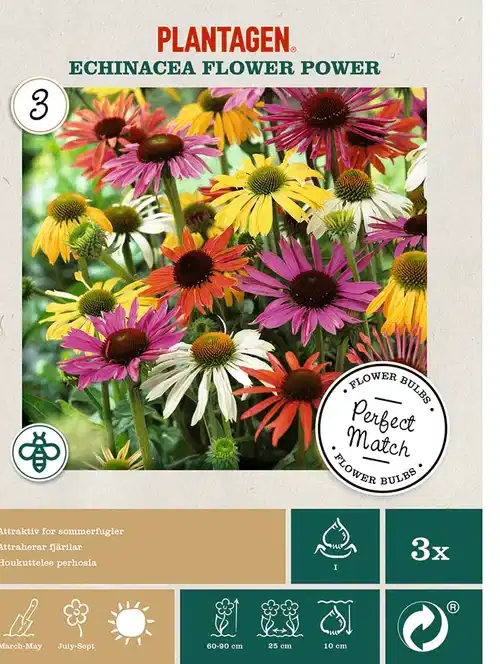
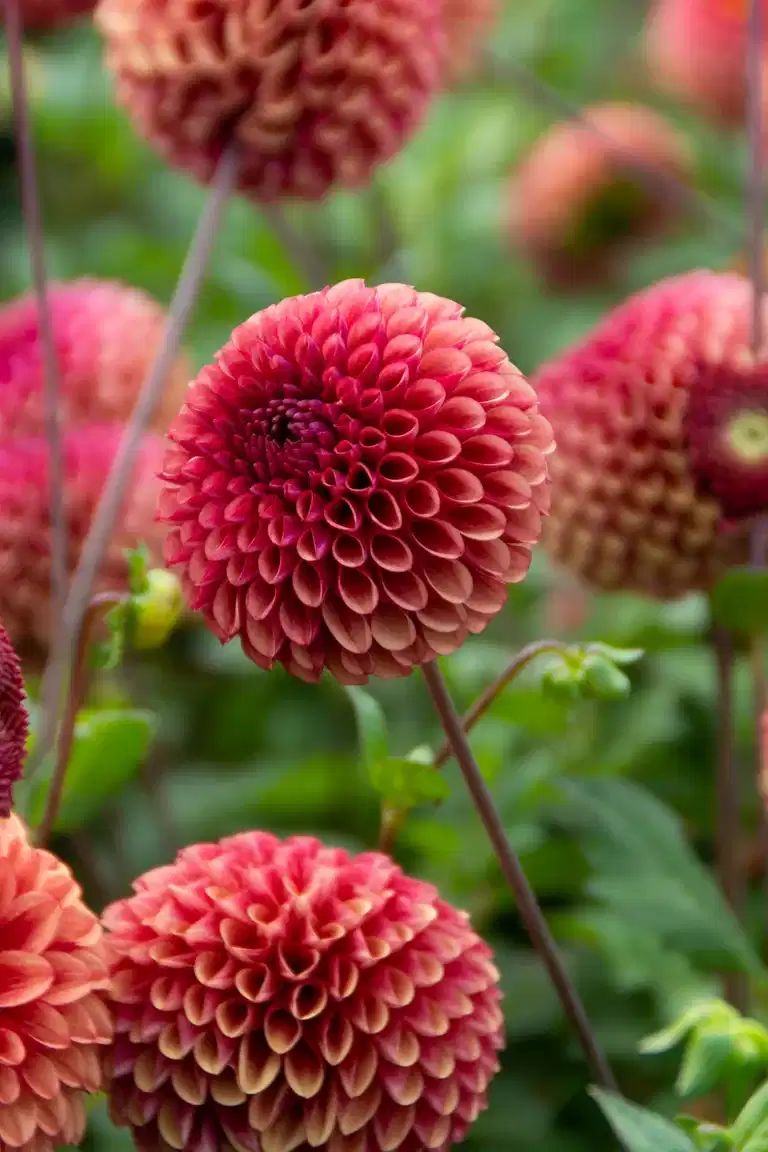
Combine multiple varieties for longer blooming
The selection of flower bulbs is enormous. Every year new varieties emerge, especially tulips - they come in almost every color and shape today. Autumn bulbs peeking up in late winter not only make us happy, they are eagerly awaited by pollinating insects waking up hungry after winter hibernation. There is not much else blooming at this time of year. The same can be said for spring bulbs that bloom late in the fall and replace the withered summer flowers. To have a long-lasting blooming, you should choose different flower bulbs that bloom at different times. Snowdrops are usually the first to appear, they can bloom as early as February, and after that come crocuses, snowflakes, tulips, and fantastic allium.
Plant the flower bulbs right away
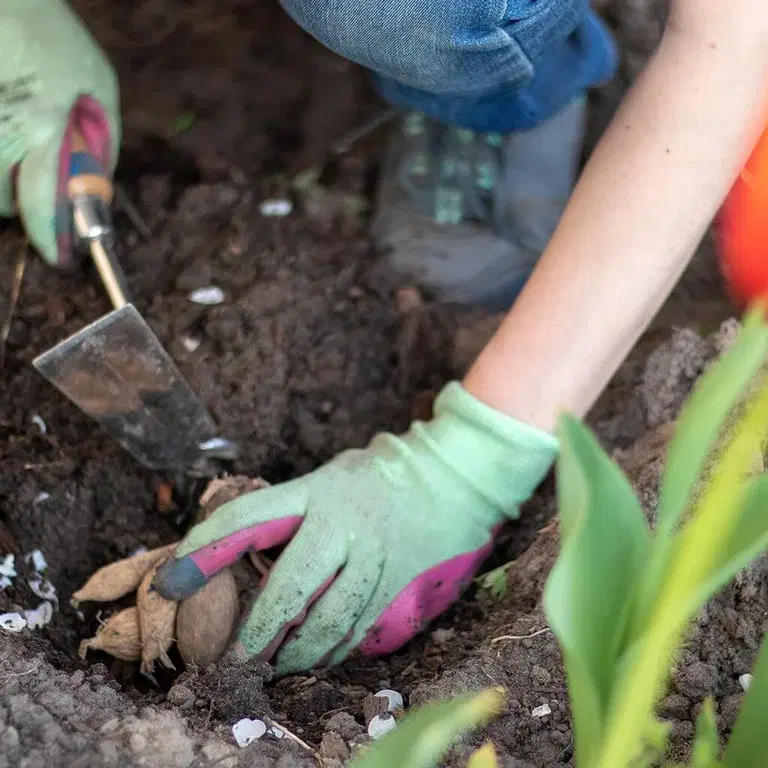
It is always good to get newly purchased flower bulbs in the ground as soon as possible after buying them, to avoid the bulbs drying out or getting moldy. The planting depth for most flower bulbs is 2-3 times as deep as the bulb is large. A tablespoon of bone meal in the planting hole promotes growth, but other than that, flower bulbs are generally easy to grow. Regular potting soil is usually fine. It is also not worth fertilizing too much, as too much nitrogen can actually result in fewer flowers and excessive leaf growth.
Plant flower bulbs in groups for greater impact
Bulb plants look particularly nice in groups, the more the merrier. Plant them directly in the ground or in a large pot, or plant flower bulbs in a bulb lasagna, where different bulbs are planted in layers so that they bloom one after the other.
Protect the flower bulbs from deer and rodents
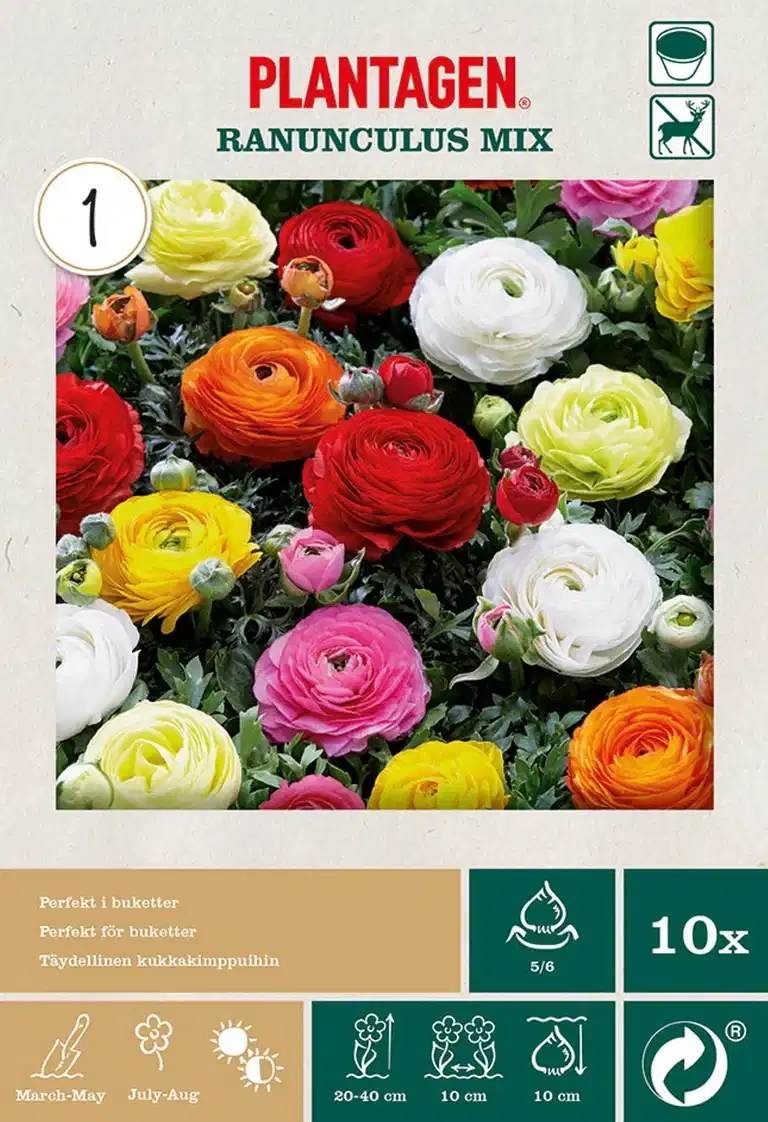
Deer, rabbits, hares, and various types of short-tailed mice are fond of certain types of flower bulbs, such as tulips, while they detest other types, such as lilies and allium. If you can't protect your flowers with a fence, try planting flower bulbs that these animals like together with flower bulbs they can't stand. This way, the chances are higher that the flowers will be left undisturbed.
What do you do with flower bulbs after flowering?
After flowering, you should leave the leaves to wither away, as the energy goes back from the leaves to the bulb so it can bloom just as beautifully again next year. If you think the leaves look sad, you can plant a perennial that covers the leaves next to it or roll the leaves together a little so they aren't as visible.

Swedish garden inspirer, journalist and author of books about nature, cultivation and animals, such as "Soil", "Grow for insects" and "Chickens as a hobby".